



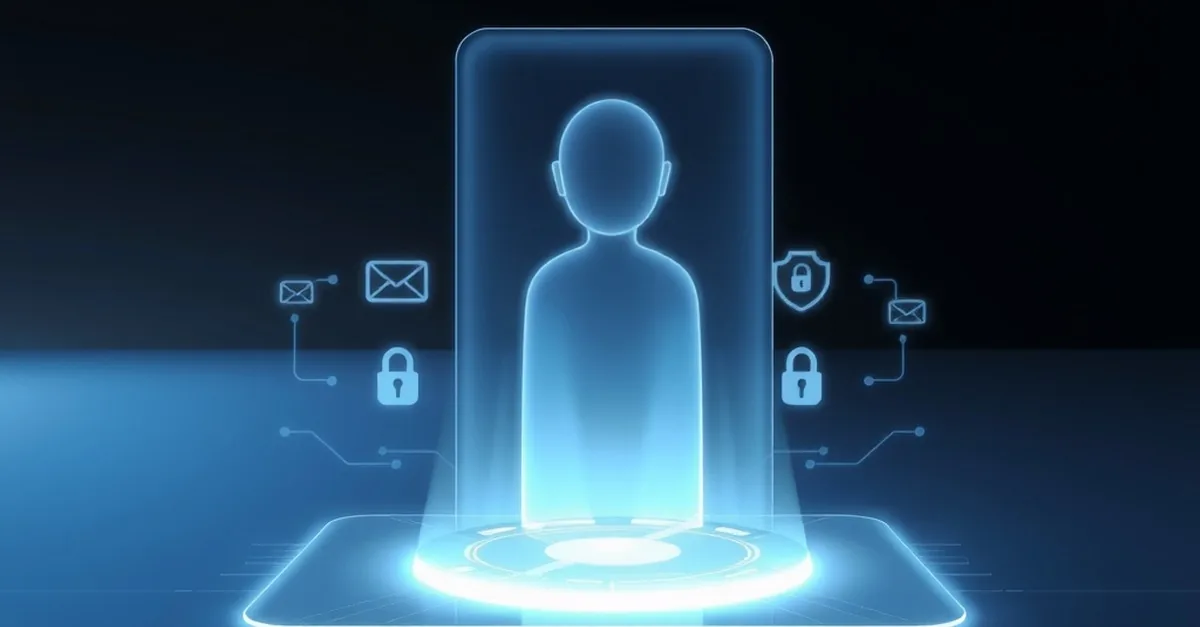
Singapore's Cyber Security Agency (CSA), GovTech and Infocomm Media Development Authority (IMDA) issued a warning on Friday (2026-11-06) that personal artificial intelligence (AI) agents could pose significant privacy and security risks. Unlike traditional AI chatbots, these personal agents – such as Dots, Hermes, Muse, Grok Bot and OpenClaw – can perform actions on a user's behalf: manage email, make reservations, log in to online accounts and even send messages.
While technology provides convenience, authorities stress that users must carefully consider what permissions they grant to these tools. „AI agents can be very useful, but they should not be treated as human assistants and given the same broad access to information and trust,“ says a CSA spokesperson. In this context, it is important to understand that by allowing an agent to access email, calendar, contacts, messages or files, the user is actually allowing it to collect, process and share personal information, including data belonging to other individuals.
Privacy risks and potential abuses

Personal AI agents can read and disclose sensitive information, make mistakes, or perform unintended actions if they are granted too many permissions. Some agents run in the background even when the user is not actively using them, so they can be influenced by fraudulent websites or messages. In this case, abusers could manipulate the agent into transferring money or revealing passwords, OTP codes, or other authentication data.
Recommended security measures
Authorities are urging users to limit the permissions they are granted and maintain control over important actions. First, users should only log in to those apps and accounts that are necessary for a particular agent to perform a task, and restrict access to sensitive accounts such as bank, government, or healthcare accounts. In addition, it is prohibited to disclose usernames, passwords, PINs, one-time passwords (OTPs), or other authentication data to AI agents.
Singaporean users using Singpass are advised to use passkey authentication, perform the authentication process themselves, and avoid approving unexpected requests. For other digital services, it is recommended to choose methods that require direct human intervention to implement.
Action approval and permission management
Some AI agents can send messages, make purchases, or perform other actions on behalf of the user, depending on the permissions granted. Users are advised to start with limited or read-only permissions, and allow important actions – such as sending messages, deleting files, or posting public posts – only after explicit approval. It is best to use one-time approvals rather than permanent permission to perform similar actions without further verification.
Additionally, it is recommended to manage permissions through app settings, rather than just chat commands, as the latter may not always be executed consistently. By regularly reviewing and revoking unnecessary permissions, users can monitor agent activity and ensure they are operating within intended guidelines.
Liability and legal aspects
Users should also be aware that they remain responsible for the use of AI agents, including the actions the agent takes on their behalf. Depending on the situation and applicable laws, users may be held liable for illegal or unwanted actions taken through the agent.
Conclusion
Personal AI agents are powerful tools that can simplify everyday tasks, but they also open up new privacy and security gaps. Singapore authorities are urging users to be careful about granting permissions, using strong authentication methods, and constantly monitoring the agents’ activities. This way, the potential for AI can be harnessed while avoiding potential abuses and unintended consequences.