





On November 4, 2026, OpenAI officially announced that their GPT-Live technology can now make outbound phone calls via SIP (Session Initiation Protocol) providers. This new feature – the GPT-Live outbound telephony API – is available in the general market and costs $0.05 per minute, according to Crypto Briefing.
The new API allows developers to route GPT-Live voice agents to real phone numbers and let them initiate calls themselves. Calls are made over compatible SIP trunk providers, and key partners Telnyx, Twilio, and Ozonetel have already confirmed their support. These providers take care of PSTN (public switched telephone network) termination, which is the process of transferring a call from the Internet to the traditional telephone network, while OpenAI maintains the audio processing and session logic on its own side.
How SIP works and why it matters
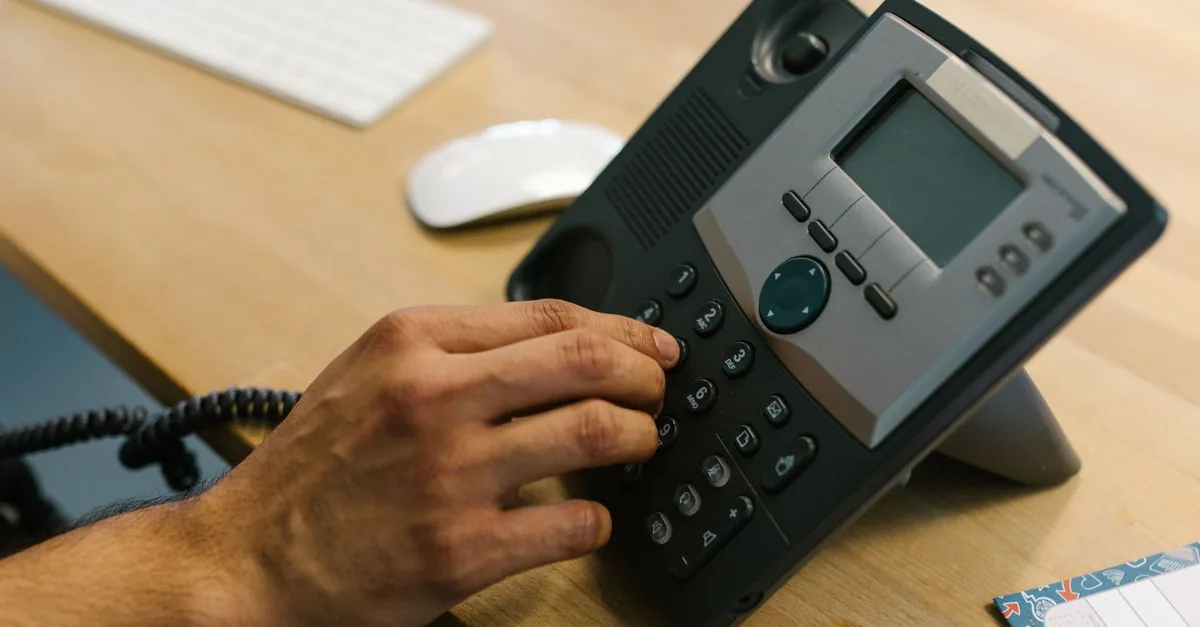
SIP acts as an „operator“ for Internet telephony: it establishes a connection, manages it, and terminates the call. This technology eliminates the need for developers to build complex telecommunications „pipes“ from the ground up. Instead, they simply connect GPT‑Live to their chosen SIP trunking provider, and the provider takes care of securing the connection to the traditional telephone network. This is especially convenient for companies that already use Telnyx, Twilio, or Ozonetel in their telecommunications infrastructure.
Technical innovations: HD voice and DTMF

OpenAI has added two important technical capabilities to the API. The first is support for HD Voice, which provides wideband, higher-quality audio that is closer to the natural human voice. The second is bidirectional support for DTMF (dual-tone multi-frequency) signals. DTMF tones are the „beep“ sounds heard during a call when a user presses numbers on a phone keypad. Bidirectional support allows a GPT-Live agent to not only receive, but also send these tones, so it can independently navigate phone menus and IVR (interactive voice response) systems, for example, pressing „2“ for billing questions.
Pricing and additional costs
OpenAI has set the API price at $0.05 per minute as a clear number that businesses can use to model costs. However, the source emphasizes that the final cost of a call depends not only on OpenAI’s payment, but also on the SIP provider’s carrier fees. This means that businesses need to consider both OpenAI’s rates and those of their chosen telecom partner to get an accurate picture of the overall cost.
API integration and alternative transports
While SIP is the primary new path, GPT-Live still supports legacy transports – WebRTC and WebSocket. This allows developers who already have a WebRTC or WebSocket solution in place to maintain their existing infrastructure and only add SIP if they need to make direct phone calls. This flexibility reduces the cost of transitioning to a new technology and allows for faster real-world testing of GPT-Live capabilities.
What does this move mean for the technology ecosystem?
GPT‑Live‑1, released globally on the ChatGPT platform on July 8, 2026, reached API version on September 10, 2026 and is now, just two months later, capable of initiating calls on its own. This demonstrates the rapid development of OpenAI’s products and their ambition to extend the capabilities of artificial intelligence into traditional communication areas. While OpenAI does not intend to become a phone operator, their solution provides an AI layer that can be integrated into any existing telecommunications network.
Conclusions
OpenAI GPT‑Live outbound telephony API opens up new possibilities for both developers and businesses looking to automate telephony processes. Using trusted SIP trunk providers, the technology provides high-quality audio, bidirectional DTMF control, and clear pricing. While the final cost depends on the provider’s tariffs, $0.05 per minute provides a clear basis for budget planning. This innovation shows how AI is integrated into traditional communication tools and can become an important tool in the development of automated customer service, IVR systems, and other voice-based solutions.
—
OpenAI GPT‑Live API now allows AI agents to call real phone numbers themselves using SIP trunks, HD voice, and two-way DTMF, opening up new possibilities for automated voice communication.