



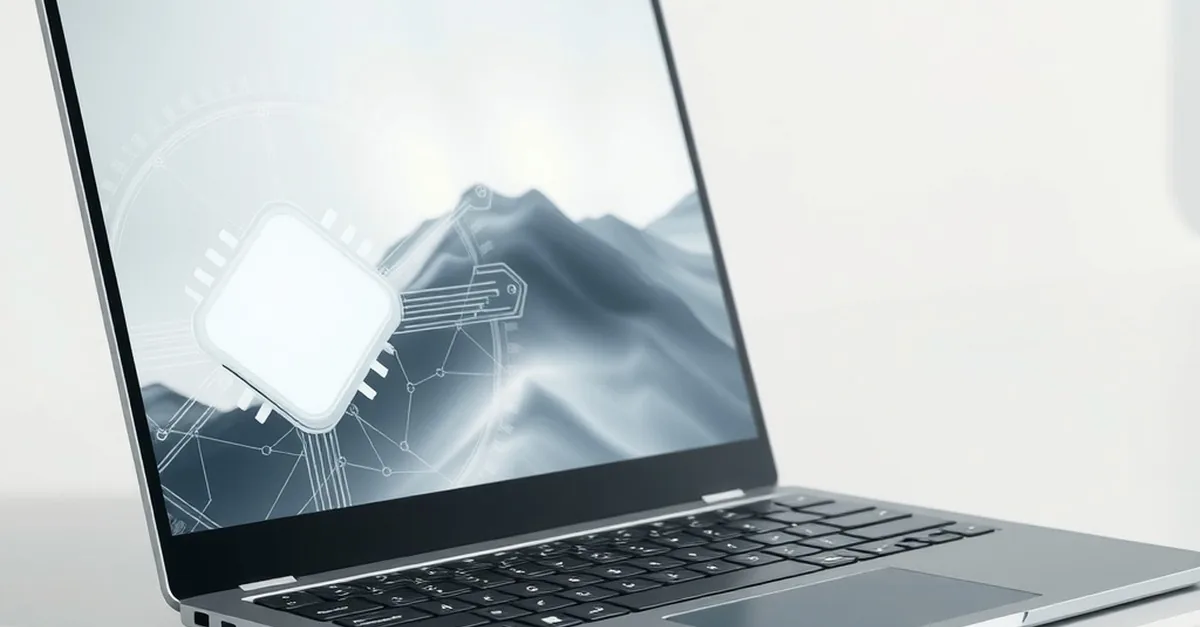
„Microsoft officially unveiled the new Windows 10 at Tech Week in San Francisco. Surface Laptop Ultra – the first laptop powered by the Nvidia RTX Spark „superchip.“ The device is part of a broader initiative to enable native artificial intelligence (AI) execution, along with Windows 11 updates that enable the safe and efficient management of AI agents.
RTX Spark superchip and technical parameters
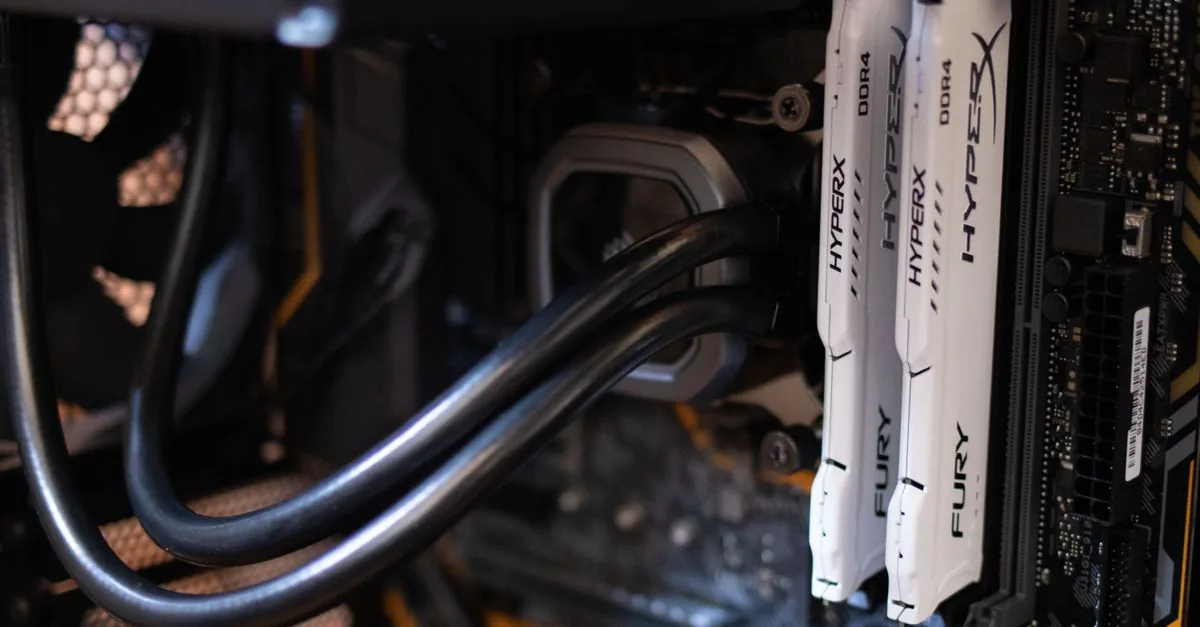
Nvidia has been working with Microsoft and other manufacturers over the past year to create AI- and agent-ready PCs. A TechCrunch report says the Surface Laptop Ultra will be available in two base models: one starts at $2,599 and the other starts at $3,700, with the option to expand memory up to 128GB and storage up to 5TB. The top-end configuration, which starts at $5,900, is already sold out. This configuration allows you to run large language models directly on the device, as RTX Spark combines the CPU, GPU, and unified memory, while an improved cooling system ensures stable performance.
Windows 11 with Execution Containers„
The new version of Windows 11 that Microsoft introduced alongside the Surface Laptop Ultra includes a feature Execution Containers (MXC). This technology provides the ability to isolate AI agents, control their access to files and the network, and track which agent performed which action. PYMNTS.com highlights that MXC is now widely available on Windows 11, allowing organizations and individual users to manage agent activity securely.
„Hybrid intelligence – local and cloud AI

„In a Fortune quote, Microsoft CEO Satya Nadella talks about “hybrid intelligence,„ a system where AI runs both on-premises and in the cloud. He says that simply having a model isn’t enough; it’s important to have the memory, context, and scope that the new OS and hardware provide. Windows tools like GitHub Copilot CLI, WSL, and PowerShell 7 are integrated into the Surface Laptop Ultra, allowing developers to work with AI without having to constantly connect to cloud servers.
Other devices and market context
In addition to the Surface Laptop Ultra, Microsoft also introduced Surface RTX Spark Dev Box – a desktop solution that starts at $6,000. This device is aimed at developers who want to test and build AI applications with integrated Microsoft tools. Other manufacturers, such as Dell, have also revealed their own RTX Spark-based models, but TechCrunch reports that the Dell XPS 16 Creator Edition will cost $3,800 and will be available through Best Buy.
What does this move mean for the technology market?
While these devices are primarily aimed at developers and content creators, PCMag.com points out that they can also be used for video editing, gaming, and other graphics-intensive tasks. The Microsoft-Nvidia collaboration shows that the PC market is starting to move toward more local AI performance, rather than just cloud-based solutions. This could change the way we think about data privacy and managing computing costs, as local AI allows tasks to be completed without constantly sending data to servers.
Conclusions
Surface Laptop Ultra is not just a new Surface model, but also an important step towards an integrated AI ecosystem where hardware, operating system and software tools work in sync. The RTX Spark „superchip“ provides sufficient computing power, and Windows 11 with Execution Containers ensures the safe and managed use of AI agents. This platform can become a foundation for both developers and enterprises looking to leverage native AI without major infrastructure investments.
—
Questions or comments? Contact Krikis IT - we will help you assess how these technologies can contribute to your organization's automation and cybersecurity strategies.
Sources
- TechCrunch – Microsoft releases new Nvidia-chip AI PCs with revamped Windows 11 | TechCrunch
- Fortune - Microsoft shows off new Windows software, revamped for agentic AI
- pymnts.com - Microsoft Turns Windows PCs Into Command Centers for AI Agents
- Hot Hardware - Windows, Surface And RTX Spark Event: Everything AI Microsoft Unveiled
- PCMag.com – With RTX Spark and 'Builder PCs,' Microsoft and Nvidia Usher Personal Computing Into Its Agentic Era