



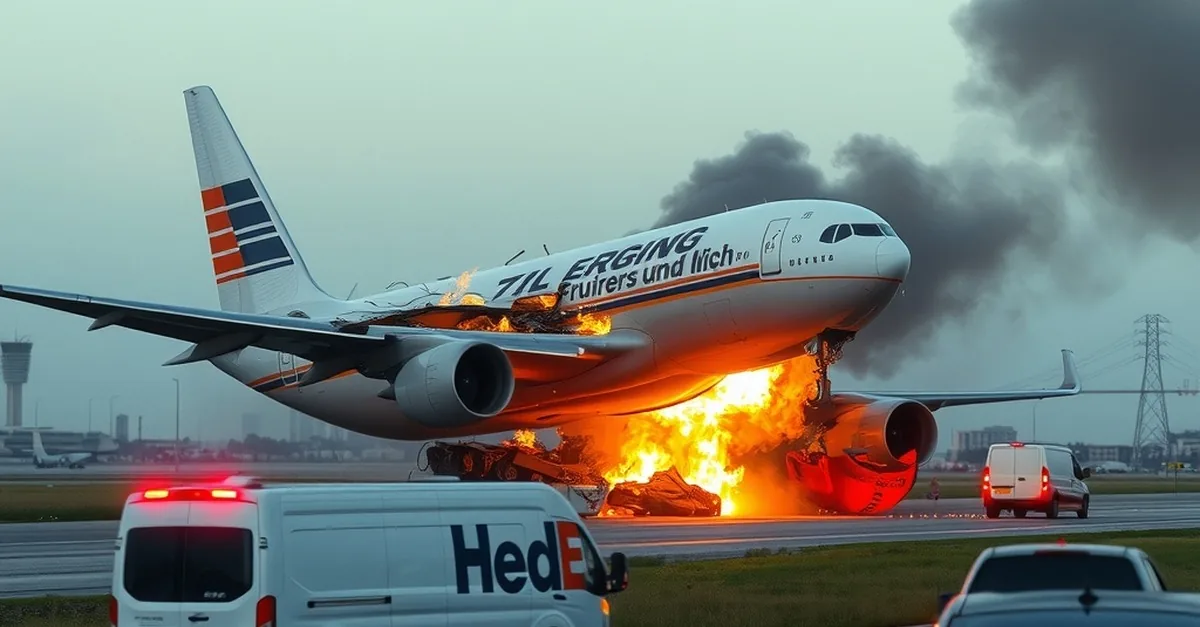
On the afternoon of September 7, 2026, while Amazon Prime Air carrier 21 Air was delivering cargo from San Juan, Puerto Rico, its 32-year-old Boeing 767-300 freighter overshot the runway at Miami International Airport. The plane crashed into a roadway occupied by a warehouse worker’s van and personal car and burst into flames. Word of the incident spread quickly, and federal investigators — the NTSB and FAA — launched a full-scale investigation.
The course of events and the first facts
According to the Associated Press (AP), the plane barreled off the runway at about 2:00 p.m. local time, then crossed a road where several vehicles were parked. The pilot and co-pilot were trapped inside the cockpit when the fire broke out, while the passengers (the van and the car occupants) were trapped under the vehicles. Five people were killed and five others were injured - three critically and two moderately. (AP, 2026‑09‑07)
Rapid response and aviation safety shortcomings
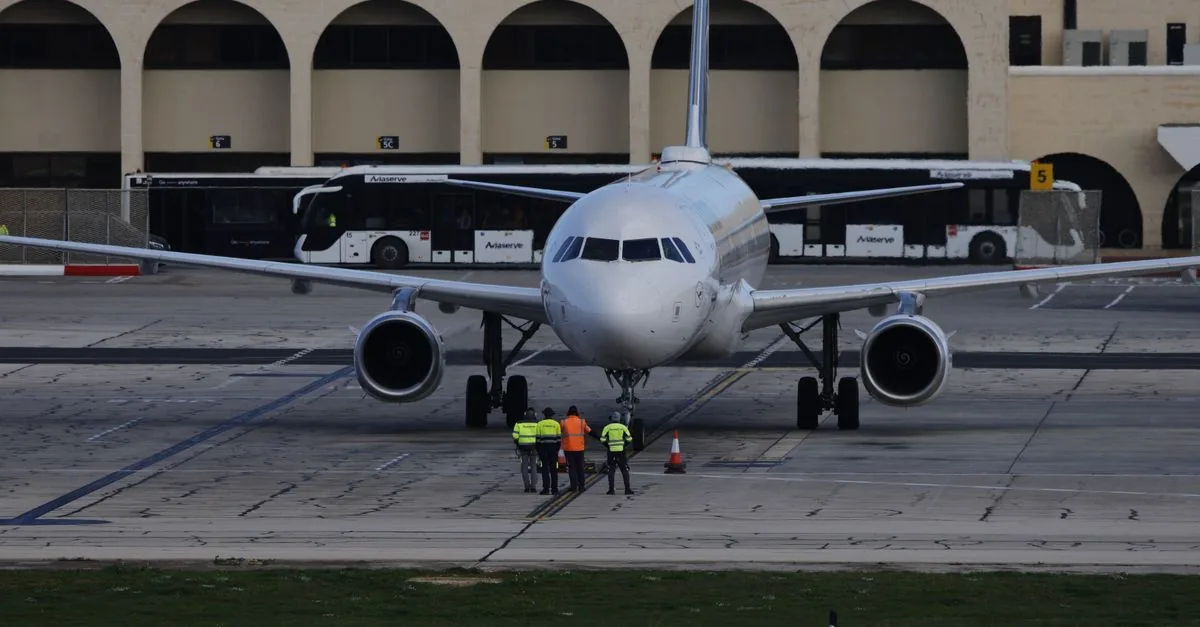
Dailymail.com reported that Miami Airport was not equipped with an Engineered Materials Arresting System (EMAS), a special „destructible material“ strip that helps stop overflights. Although EMAS is installed at more than 120 airports worldwide and has saved 497 lives according to the FAA, this safety feature is not mandatory. The FAA confirmed that Miami Airport has a 1,000-foot (≈300 m) safety buffer, but it was not enough to stop a Boeing 767 that had left the runway at speeds in excess of 120 mph (≈190 km/h). (Dailymail, 2026‑09‑07)
Research directions and possible causes

Livemint and ABC News (AU) say investigators will focus on several critical points: whether the plane landed too late, or whether the pilots were able to abort the landing and try again. Video footage shows the Boeing 767 remained in the air until the end of the runway, before it began to descend without causing a sufficient reduction in speed. Experts believe that the typical landing zone – the first 3,000 feet (≈914 m) of the runway – was not reached. (Livemint, 2026‑09‑07; ABC News, 2026‑09‑08)
Other aspects of the investigation include flight speed, braking system, weather conditions, and technical condition. Although there was no precipitation at the time, the sky was dark, with thunder and strong winds. Mary Schiavo, a former Department of Transportation inspector, says that a possible tailwind could have further extended the flight on the runway. (Livemint, 2026‑09‑07)
History and technical condition of the aircraft
The Boeing 767-300 operated by 21 Air was built in 1994 and operated as a passenger aircraft until 2015, when it was converted to a freighter. Sources say the plane had a „history with foreign owners,“ including Russian companies, and the NTSB hopes to conduct a detailed review of its maintenance and repair records. (ABC News, 2026‑09‑08)
Impact on airport and flight operations
All runways were closed after the accident, but two of the four remained operational. 160 flights were canceled and more than 300 were delayed throughout the day. On Tuesday, as the investigation continued, two sections of runway remained closed, and flight delays remained up to five hours on average. (ABC News, 2026‑09‑08)
Conclusions and future prospects
Although the investigation is still ongoing, it is now clear that several factors may have contributed to the crash: a late landing, possible tailwind, a lack of an EMAS system, and a possible technical or maintenance deficiency. This analysis of the incident may prompt the FAA to review its EMAS implementation recommendations, especially for airports with limited runway lengths and high cargo traffic.
All of this data suggests that aviation safety measures, while recommended, still depend on local decisions. Amazon and its partners, including 21 Air, will need to review their operations to ensure that future flights are operated to the highest safety standards.
Sources
- Associated Press – AT LEAST 5 DEAD: Cargo plane overruns runway at Miami airport…
- Dailymail.com – Miami Airport didn't install hidden safety feature on runway before Amazon cargo plane crashed and killed 5, FAA says
- Livemint – Federal investigators probe Amazon cargo jets fiery runway crash that killed 5 in Miami
- ABC News (AU) - What we know about the Amazon cargo plane crash