


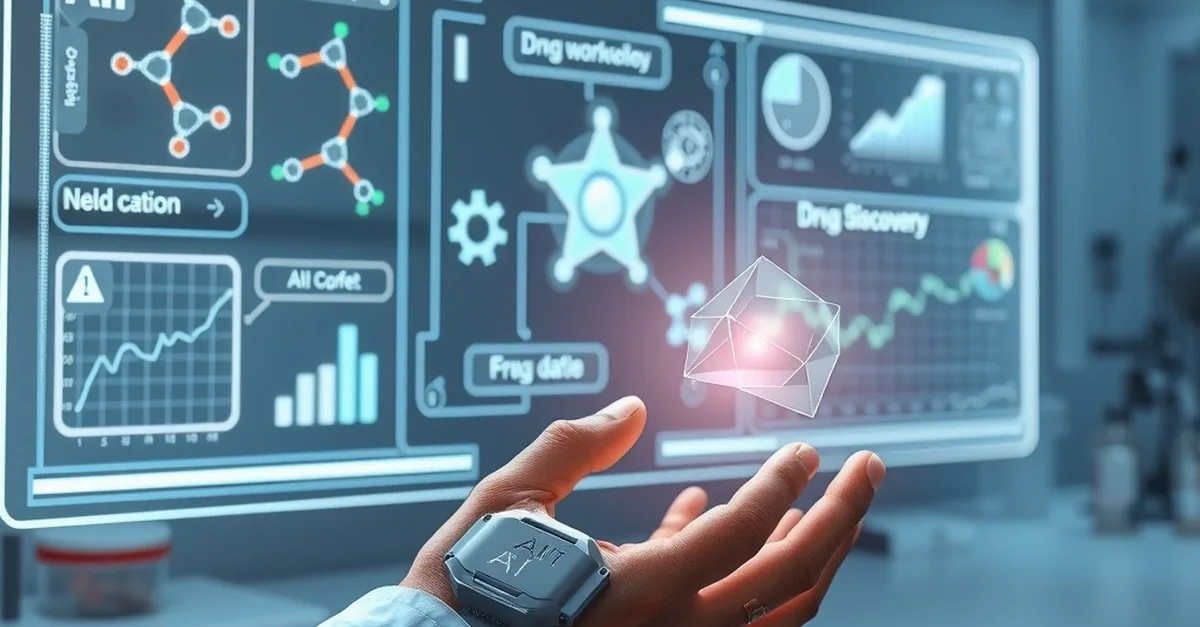
OpenAI Group PBC announced this morning that it has acquired drug development software startup Orchestra Bio Inc. The acquisition is part of OpenAI’s strategy to expand its artificial intelligence (AI) solutions in the life sciences, specifically to shorten long and complex drug development cycles. Orchestra Bio builds AI agents that help pharmaceutical teams keep research programs on track, monitor budgets, and coordinate clinical trial schedules. The technology now joins OpenAI’s Rosalind Life Sciences division, which has been in operation since April 2024 with the launch of GPT‑Rosalind, a model for biology and drug screening research.
Why is OpenAI investing in drug development?
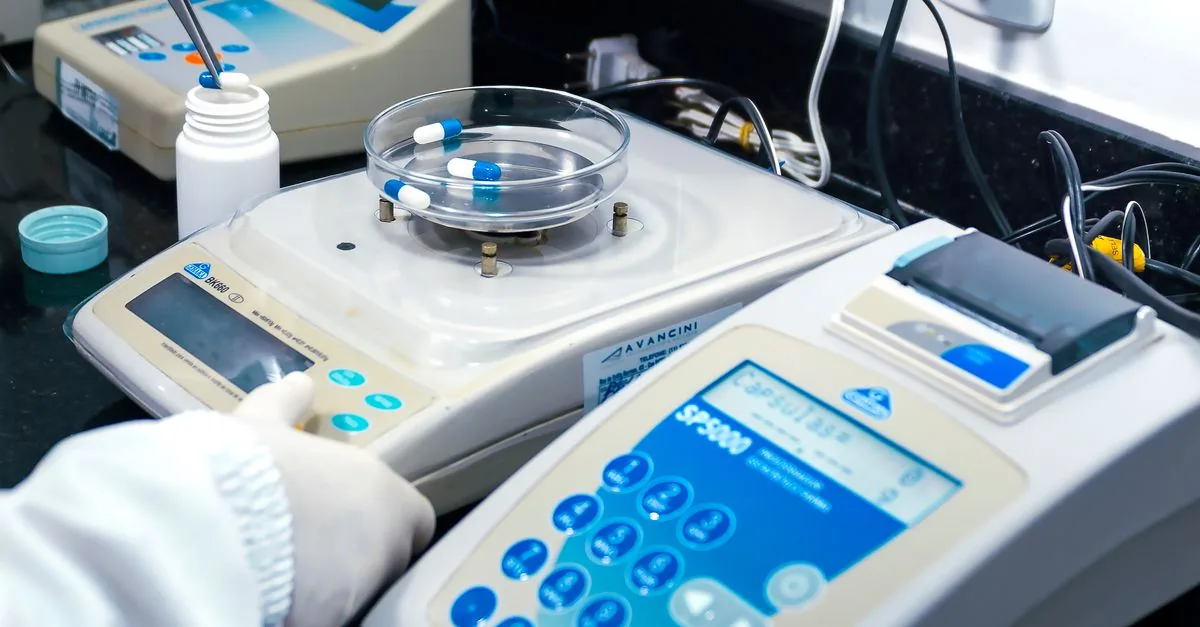
OpenAI says one of the biggest challenges in the pharmaceutical industry is the time it takes for a new drug to reach U.S. regulatory approval. The company says the process can take 10 to 15 years. Such a long time frame often involves multiple internal teams and external partners whose information systems rarely connect. Orchestra Bio agents take over study tracking, automatically capture financial metrics, and solve clinical trial scheduling problems. For example, if a production batch fails and could delay a clinical trial, the agent immediately calculates which activities and deadlines will be affected and presents possible solutions. The final decision remains in the hands of scientists, but AI provides a faster and more informed basis for making decisions.
Synergy of Rosalind platform and Orchestra Bio

Rosalind includes two main components: GPT‑Rosalind, designed to solve scientific questions in the fields of biology and chemistry, and Rosalind Workbench, which combines AI capabilities with scientific tools and data. Orchestra Bio technology now joins this ecosystem, allowing scientists to work alongside AI agents that monitor and analyze the progress of research. This means that not only can research data be interpreted by AI, but all project management operations – from budget planning to clinical trial schedules – can be coordinated automatically.
OpenAI emphasizes that this move goes beyond just analyzing the research phase. The company aims for AI to help with the entire drug development cycle: from generating scientific ideas, designing experiments, interpreting results, and coordinating later stages. This is in line with OpenAI’s vision that AI can „help scientists do the work needed to turn ideas into treatments.“.
Partnerships and past projects
The Rosalind platform already has partnerships with several major pharmaceutical players, including Danish company Novo Nordisk A/S and US biotechnology company Moderna Inc. Novo Nordisk aims to accelerate research and commercialization, while Moderna scientists use models to transform complex data into experimental designs. These partnerships demonstrate that AI solutions are already being applied in real-world pharmaceutical projects, and the Orchestra Bio integration will only strengthen this potential.
What does acquisition mean for the future?
While OpenAI did not disclose the amount of the deal or give a specific timeline for when Orchestra Bio agents will appear in final products, the acquisition already gives OpenAI access to an experienced team and technology that can quickly implement integration. It also shows that big tech companies are increasingly looking at the healthcare sector as an important growth area where AI can have a direct impact on human health.
Challenges and prospects
While the introduction of AI agents into drug development processes promises significant efficiency gains, it is important to remember that the final decisions will always rest with scientists and regulators. OpenAI emphasizes that humans will still make the final decisions, and AI will simply provide additional information and analysis capabilities. This balancing strategy is essential, as drug development is a highly regulated field where mistakes can have serious consequences.
In summary, OpenAI's acquisition of Orchestra Bio marks a significant step forward in the integration of artificial intelligence into pharmaceutical sciences. Not only does it enable faster and more efficient management of research projects, it also paves the way for new innovations that could accelerate the delivery of new treatments to patients.
—
Questions or comments? If you want to learn how AI can help your company automate processes, contact Krikis IT – we specialize in AI, automation, and cybersecurity solutions.
Sources
- SiliconANGLE News – OpenAI acquires Orchestra Bio to bring AI agents into drug development
- BusinessLine - OpenAI acquires Orchestra Bio, expands life sciences push
- Al Jazeera English - OpenAI says its agents turned off their own safeguards
- The Times of India - OpenAI says its AI agents weakened internal monitoring system
- Business Standard – Agents turned off alerts, weakened system that flags AI misbehavior: OpenAI